Runegrim: Unlocking Ancient Viking Style in Modern Design
There is a magnetic pull to ancient scripts, a sense of history etched into every stroke. For designers and creators, tapping into that power can elevate a project from simple to significant. This is where Runegrim enters the conversation. It is not merely a collection of letters; it is a bridge to the past, a premium font meticulously crafted from Ancient Viking Rune Script. Its purpose is clear: to bring the raw, ceremonial beauty of Norse writing into the hands of modern makers, without the steep learning curve of Unicode or historical inaccuracy.
The Visual Soul of Runegrim
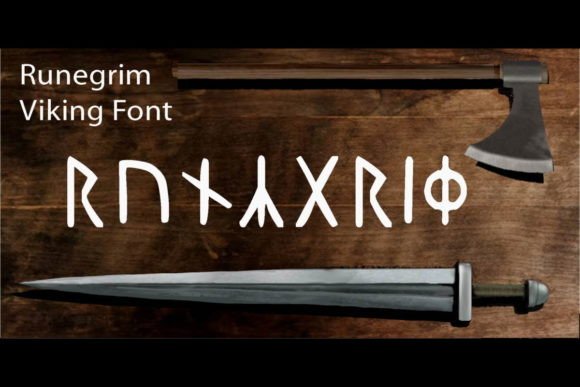
At its core, Runegrim is a display font defined by its angular, geometric forms. Think of the straight, decisive lines carved into wood or stone—the Futhark alphabet. Runegrim captures that essence. It avoids soft curves, embracing instead sharp terminals, strong verticals, and a structured, almost architectural feel. This gives it a powerful visual personality: it feels ancient, yet intentionally designed; raw, yet highly legible. It is not a simple serif font or sans serif font in the traditional sense; it occupies a unique space as a historical revival typeface with a bold, contemporary edge.
The appeal of Runegrim lies in its authenticity and versatility. It doesn't try to be something it's not. Its strength is its directness. The letterforms carry a weight and seriousness that command attention, making it an ideal choice for projects that need to convey heritage, strength, mystery, or a connection to nature. For a designer, it’s a tool that immediately sets a specific, potent mood.
Where Runegrim Truly Shines: Practical Applications
Theoretical beauty is one thing; practical application is everything. Runegrim excels in contexts where visual impact and thematic resonance are paramount. It is, first and foremost, a creative font for specific jobs, not for body copy in a lengthy report.
Apparel and Handicrafts: The Natural Home
This is Runegrim’s sweet spot. Its design is born for physical making. On clothing—think T-shirts, hoodies, hats, and jackets—it provides an instant vintage or heritage brand feel. For entrepreneurs in the apparel space, it’s a shortcut to a cohesive brand identity. The font translates beautifully to embroidery, screen printing, and even leather stamping. Similarly, for handicrafts, it’s invaluable. Imagine it on custom pottery, wood-burned signs, hand-bound journals, or artisanal packaging. It adds a layer of perceived value and story that generic fonts cannot match.
Branding and Logo Design
Using Runegrim in logo design requires a thoughtful approach. It’s not for a multinational tech firm, but it’s perfect for a craft brewery, a blacksmith, a fantasy game studio, an outdoor adventure brand, or a specialty bookstore. Its strength in a logo is memorability. Paired with a clean, simple sans serif font for secondary text, it can create a powerful and balanced visual system. The key is to use it for the wordmark or logotype, ensuring the name itself becomes the hero.
Digital and Editorial Presence
In the digital realm, Runegrim finds its place in web design headers, hero sections, and banner graphics. It’s a showstopper in social media graphics, especially for posts related to history, mythology, gaming, or nature. For bloggers and publishers, it can be used sparingly for chapter titles in an e-book, a podcast cover image, or a newsletter header to create a strong thematic hook. In editorial design, it works for magazine covers or feature article headlines in niche publications.
Packaging and Marketing Collateral
Product packaging is storytelling on a shelf. Runegrim can help tell a story of craftsmanship, tradition, or adventure. Use it on labels for hot sauce, craft beer, coffee, or artisanal soaps. It also elevates marketing materials like posters, flyers, and event invitations for themed parties, concerts, or local festivals. The font does the heavy lifting of setting the tone before a single word of body text is read.
Making Runegrim Work for You: Practical Guidance
Choosing a font like Runegrim is a strategic decision. Here’s how to approach it wisely to ensure it enhances your project rather than complicates it.
Evaluating Project Fit and Readability
Ask yourself: does my project’s core message align with themes of history, strength, nature, or mythology? If the answer is yes, Runegrim is a contender. The next critical question is about readability. Because it is a display font, its primary role is to attract attention at larger sizes. It should be used for short bursts of text: headlines, logos, titles. Do not set a paragraph in Runegrim; the eye will fatigue quickly. Test it at the intended size and on the intended medium—screen, paper, fabric—to ensure clarity.
Mastering Font Pairing
A font pairing is the relationship between two typefaces. Runegrim’s strong personality demands a calm, complementary partner. The classic rule of contrast applies beautifully here. Pair it with a highly legible, neutral sans serif font for body text (like Open Sans, Lato, or Roboto). For a different feel, a clean, modern serif font (like Lora or Merriweather) can also work, creating a dialogue between the ancient and the traditional. Avoid pairing it with other decorative, script font, or handwritten font styles, as this will create visual chaos.
Understanding the Included Styles and Licensing
A professional commercial font like Runegrim often comes with more than the basic alphabet. Check if it includes alternates, ligatures, or stylistic sets—these can add unique flair to specific letters. Crucially, understand the licensing. If you plan to use it for commercial products (like selling T-shirts or a client’s logo), you must have the appropriate commercial license. This is a non-negotiable aspect of using design assets professionally. Reputable font marketplaces are clear about usage rights.
A Tool, Not a Trend
Runegrim is more than just a trending typeface; it’s a specialized tool in the modern designer’s kit. Its value lies in its ability to inject a project with a specific, powerful narrative. It speaks of runes, sagas, and craftsmanship. When used with intention—understanding its strengths in apparel, handicrafts, and impactful branding—it becomes a catalyst for creating work that resonates deeply and stands out visually. It solves the very real problem for creators who want to evoke this aesthetic without compromising on quality or usability. In a sea of generic modern typography, Runegrim offers a distinct and authentic voice.