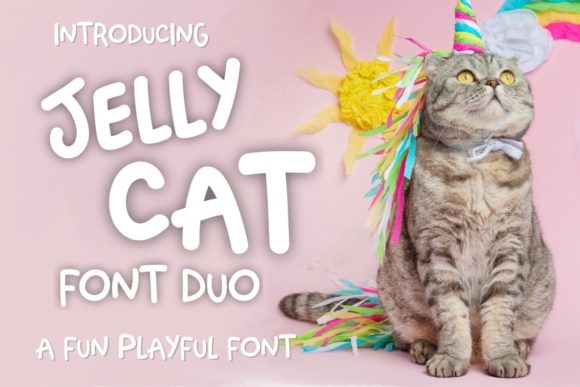
Embrace the Charm of Jelly Cat
There is a certain warmth that digital design often lacks, a sterile precision that can sometimes feel distant to the audience. This is where the Jelly Cat typeface enters the conversation. It is not merely a set of letters; it is a sweet and friendly handwritten font that breathes life into static layouts. In a world saturated with rigid sans serif font families and predictable corporate typography, Jelly Cat offers a refreshing return to the human touch. Its natural and unique style makes it incredibly fitting to a large pool of designs, providing that elusive "approachable" quality that brands and creators crave.
The Visual Character of a Premium Font
When you analyze Jelly Cat from a design perspective, you notice that it avoids the common pitfalls of many script fonts. Some handwritten typefaces can be difficult to read at smaller sizes, or they look too messy to convey professionalism. Jelly Cat strikes a balance. It maintains the fluidity of hand-drawn lettering while ensuring legibility remains a priority. The strokes have a consistent weight that feels confident without being aggressive. This makes it a versatile asset in your library of design assets.
The personality of this font is undeniably playful yet grounded. It works exceptionally well for projects that need to feel personal and organic. Imagine using a rigid serif font for a local bakery logo; it might feel too cold. However, applying Jelly Cat instantly creates a sense of homemade quality and care. It acts as a visual cue that tells the viewer, "We are friendly, and we care about your experience." This psychological impact is crucial for small business owners and entrepreneurs looking to build a loyal community.
Practical Applications: From Brand Identity to Editorial Design
The true value of a creative font lies in its versatility. While Jelly Cat is a premium font, its utility spans across various industries and mediums. For brand identity, it serves as a powerful tool for businesses in the lifestyle, wellness, food, and children’s sectors. A logo design utilizing Jelly Cat can stand out on a crowded shelf because it feels authentic. It moves away from the corporate feel of a standard sans serif font and invites the customer to engage on a personal level.
In the realm of packaging design, readability and aesthetic appeal must coexist. Jelly Cat shines here. You can use it for product names or catchy taglines to draw the eye, while pairing it with a cleaner body font for the nutritional information or instructions. This creates a dynamic visual hierarchy that guides the consumer’s eye exactly where you want it to go. The font’s inherent friendliness can actually influence purchasing decisions, making the product feel more accessible and less intimidating than a product with stark, minimalist typography.
For editorial design and publishing, this typeface brings a conversational tone to the page. Bloggers and content creators often struggle to convey their unique voice through text alone. Jelly Cat helps bridge that gap. It is perfect for pull quotes, chapter headings, or magazine covers where you want to establish a mood immediately. Whether you are designing a digital newsletter or a printed booklet, the handwritten style breaks up the monotony of long-form reading, keeping the audience engaged.
Digital Presence and Social Media Graphics
The digital landscape is noisy. Standing out on social media requires visuals that stop the scroll. Social media graphics benefit immensely from the use of a display font like Jelly Cat. It is distinct enough to be recognizable in a fast-paced feed. Whether you are creating Instagram stories, Pinterest pins, or YouTube thumbnails, using this font can help establish a consistent visual brand that your followers will learn to recognize instantly.
In web design, typography is a key component of user experience. While Jelly Cat might not be the best choice for long paragraphs of body text (a common trait among handwritten fonts), it excels in headers, call-to-action buttons, and hero sections. It adds a splash of personality to a landing page without compromising the overall functionality of the site. By using Jelly Cat for accents, you can soften a modern, grid-based layout and make the website feel more welcoming to visitors.
Mastering Font Pairing and Readability
One of the most important skills in modern typography is the art of font pairing. A standalone font rarely works in isolation; it needs a partner to create balance. Because Jelly Cat has such a distinct personality, it pairs beautifully with neutral typefaces. If you try to pair it with another highly stylized script font, the result will likely be chaotic and unreadable.
The best approach is to combine Jelly Cat with a simple sans serif font for body text. The clean lines of the sans serif provide a stable foundation that allows the quirks and curves of Jelly Cat to pop. Alternatively, pairing it with a classic serif font can create a sophisticated yet approachable contrast, perfect for wedding invitations or boutique branding. The key is to let Jelly Cat do the talking for headlines, and let the supporting font handle the detailed information.
Choosing and Licensing for Commercial Use
Before integrating any new typeface into your workflow, you must consider the practicalities of commercial font usage. Not all fonts are created equal, and licensing is a critical factor for professional designers and business owners. When you acquire Jelly Cat, you are investing in a tool that requires specific permissions for commercial use. Always ensure you have the correct license for your project, whether it is for a client’s logo, a product for sale, or digital merchandise.
Furthermore, review the styles included with the font family. Does it include multiple weights? Are there stylistic alternates or ligatures? These extra features can elevate your design from good to great, allowing for more customization and uniqueness in your work. Test the font extensively before committing to a final design. Print it out, view it on different screens, and see how it holds up at various sizes. This due diligence ensures that your choice of Jelly Cat enhances your project rather than hindering it.
Ultimately, Jelly Cat is more than just a design asset; it is a bridge between the digital and the personal. It offers a way to infuse your work with warmth and authenticity that resonates with modern audiences. Whether you are a crafter working on a passion project or a marketer building a global brand, this handwritten font provides the tools to communicate with heart and style. The only limit is your imagination.